Source Swine Ultrasound for Sheep, Goat, and Pig Farming
Compare 30 swine ultrasound scanners designed for sheep, goat, and pig farming. These portable devices feature rechargeable batteries, rugged cases, and multi-frequency probes for accurate backfat testing and veterinary diagnostics; compare the available evidence and request quotations based on your requirements.
Key considerations
Products List




Comprehensive Sourcing Guide
Swine Ultrasound Sourcing Guide
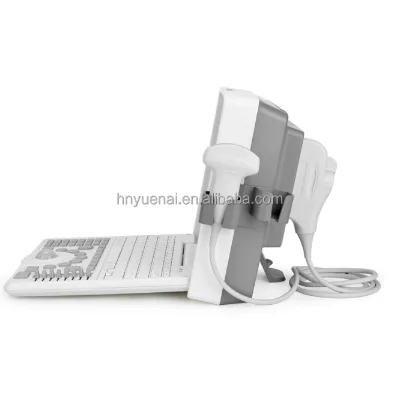
Procuring swine ultrasound equipment requires a clear understanding of the specific diagnostic needs within modern livestock management. The market offers portable units designed for field use, featuring rugged cases and rechargeable power supplies to ensure operational continuity in farm environments. Buyers must distinguish between general imaging scanners and specialized devices optimized for measuring backfat thickness and monitoring reproductive health in swine populations.
The observed product landscape includes models with varying screen sizes and probe configurations, ranging from compact handheld units to more robust systems. Sourcing decisions should prioritize devices that explicitly support the required animal types, such as pigs, while ensuring the hardware includes necessary accessories like waterproof probes and freeze buttons. Understanding these baseline attributes helps narrow the selection to equipment that aligns with practical on-site veterinary requirements.
Product Scope and Observed Listing Signals
Buyers should verify that listed products explicitly state their intended use for swine applications, including specific functions like backfat testing and reproductive scanning. The available data indicates a range of models, such as the BW560V and BW540V, which are marketed for scanning sheep, goats, pigs, and other livestock. It is critical to confirm that the specific unit selected includes the necessary probe types and software modules tailored for veterinary diagnostics rather than general medical imaging.
Listing signals often highlight portability features, such as handcarry cases and lightweight main units weighing approximately 1.1kg without accessories. These attributes are essential for technicians moving between pens or farms where power sources may be limited. Procurement teams must ensure that the "Standard Export Packing" or "Standard Carton Packing" mentioned in listings is sufficient to protect sensitive electronic components during transit to remote locations.
Technical Specifications to Verify
Technical due diligence must focus on the display resolution and power flexibility of the ultrasound scanner. Listings indicate screen sizes ranging from 5.6 to 5.7 inches with high-resolution LCD capabilities, which are vital for interpreting detailed images of fetal development or tissue density. Buyers should confirm that the device supports both AC power and rechargeable lithium batteries to maintain functionality during extended field operations without access to grid electricity.
Probe specifications are equally critical, with observed units featuring waterproof, multi-frequency probes equipped with freeze buttons for image retention. The physical dimensions of the main unit vary, with some models measuring roughly 230mm by 120mm, while others are slightly larger. Procurement teams must verify that the probe frequency range matches the depth requirements for swine anatomy and that the device includes the specific syringe or needle accessories required for backfat measurement applications.
Compliance and Safety Documentation
Regulatory compliance is a primary concern when sourcing medical imaging equipment for agricultural use. The observed product data references ISO13485 certification and CE marking, which are standard indicators of quality management systems and safety compliance for medical devices. Buyers must request valid certificates for the specific model being purchased, as these documents verify that the manufacturing process adheres to international standards for medical equipment safety and efficacy.
Beyond general certifications, documentation should include specific test results or performance data relevant to veterinary applications. While some listings mention a shelf life of years, the actual warranty period observed is typically 18 months, which serves as a baseline for supplier accountability. Procurement teams should ensure that the supplier provides a clear warranty statement and support documentation that covers the specific software and hardware components included in the purchase.
Cost Drivers and Commercial Terms
Pricing for swine ultrasound equipment varies significantly based on the model complexity, screen size, and included accessories. The observed market range spans from approximately 1 to 22,600 USD, reflecting differences between basic portable units and advanced systems with specialized software modules. Buyers should analyze the total cost of ownership, including the price of replacement probes or additional batteries, rather than focusing solely on the initial unit price.
Commercial terms such as Minimum Order Quantity (MOQ) and delivery lead times are also key factors in the procurement process. Most observed listings indicate an MOQ of 1 set, allowing for flexible purchasing, while delivery times are typically quoted as 3-5 working days. However, these timelines can fluctuate based on stock availability and shipping logistics, so buyers must confirm the exact delivery schedule before finalizing the order to avoid operational delays.
Supplier Qualification and Quality Control
Supplier reliability is often indicated by their company history and global reach, with some manufacturers boasting 17 years of experience and sales to over 130 countries. This track record suggests a level of maturity in their supply chain and customer support infrastructure, which is crucial for resolving technical issues in the field. Buyers should verify the supplier's ability to provide timely technical support and spare parts, as these services are integral to maintaining equipment uptime.
Quality control processes should be validated through the supplier's adherence to recognized standards like ISO13485. The presence of standardized packaging, such as "Standard Export Packing," implies a commitment to protecting the product during transit. Procurement teams should request evidence of their quality assurance protocols, including how they handle customization requests and ensure that the final product matches the specified technical requirements before shipment.
Long-Term Procurement Checks
Sustainable procurement requires establishing a framework for ongoing performance monitoring and supplier relationship management. Buyers should implement regular checks to ensure that the ultrasound units continue to meet the required diagnostic standards over time. This includes verifying that the software remains up to date and that the hardware maintains its calibration for accurate backfat and reproductive measurements.
Long-term success also depends on the availability of consumables and accessories, such as specific syringes or needles for swine applications. Procurement teams should negotiate agreements that guarantee the supply of these items alongside the main unit. Additionally, maintaining a clear record of warranty claims and service interactions will help in evaluating the supplier's responsiveness and the overall durability of the equipment in a demanding farm environment.
FAQs
What models are available for swine ultrasound scanners?
Several models are available including BW560V, BW580V-PRO, BW540V, BW570V, BW30V, and UMH-3018V. These devices are designed for scanning sheep, goats, pigs, cats, and dogs. They feature rugged handcarry cases and waterproof multi-frequency probes with freeze buttons. The units operate on AC power and rechargeable lithium batteries, ensuring portability for farm use.
Can swine ultrasound devices be customized for specific needs?
Yes, customization is available for these ultrasound scanners. Buyers can request specific configurations to suit their operational requirements. The products are classified as imaging diagnostic equipment and come with standard export packing. This flexibility allows farms to tailor the equipment for tasks like backfat testing or general diagnostic scanning in swine environments.
What certifications do these ultrasound scanners hold?
These ultrasound scanners hold ISO13485 and CE quality certifications. They are classified as imaging diagnostic equipment under ISO standards. The manufacturer has a history of 17 years and sells products to 130 countries. These certifications ensure that the devices meet international standards for medical and veterinary diagnostic equipment quality and safety.
What is the typical delivery time for these units?
The typical delivery time is 3-5 working days. This rapid turnaround supports efficient procurement for veterinary clinics and farms. The minimum order quantity is one set, allowing for flexible purchasing. Standard export packaging ensures safe transit. Buyers can expect quick availability for models like BW560V and UMH-3018V without long waiting periods.
What are the specifications for the screen and display?
The devices feature high-resolution LED displays, typically 5.7 inches or 5.6 inches LCD. The main unit weighs approximately 1.1kg without accessories. Dimensions vary by model, with some measuring around 212mm by 154mm. The compact design facilitates easy handling in the field. These screens provide clear imaging for accurate backfat measurement and diagnostic scanning.
What warranty is provided for swine ultrasound equipment?
A warranty of 18 months is provided for these ultrasound scanners. This coverage applies to the main unit and accessories. The manufacturer offers support for models used in swine farms. The warranty ensures reliability for critical tasks like breeding and health monitoring. Buyers receive standard export packaging and documentation to facilitate claims if necessary.